Bandhavgarh / Beyond the tiger
A forest.
A thousand stories.
Stone figures beside still water. A fort above the trees. Traces of earlier lives along the forest’s paths.
There is more to Bandhavgarh than the wildlife that first draws us here.
Discover the story on film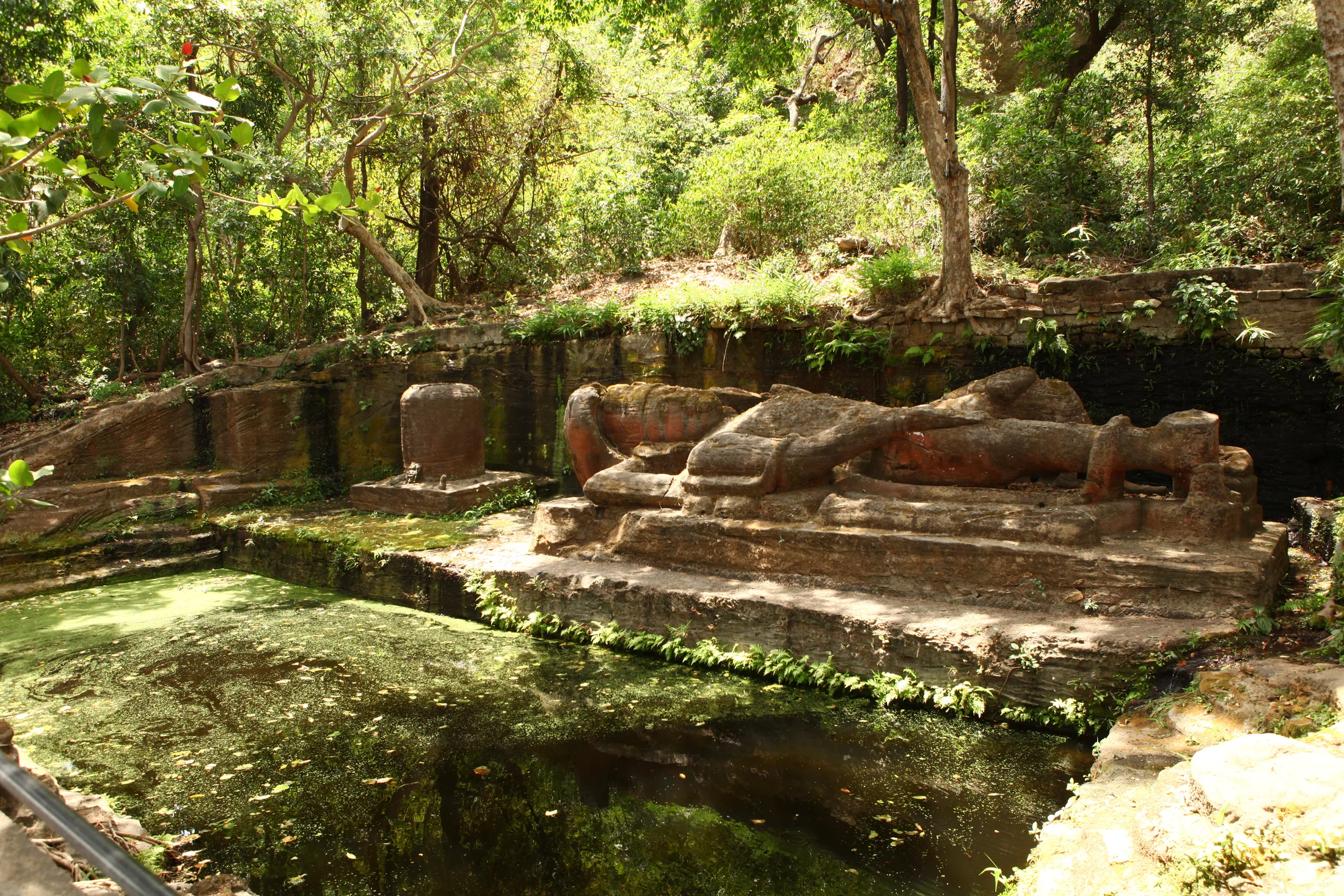

A name. A legend. A landscape.
The brother’s
fort.
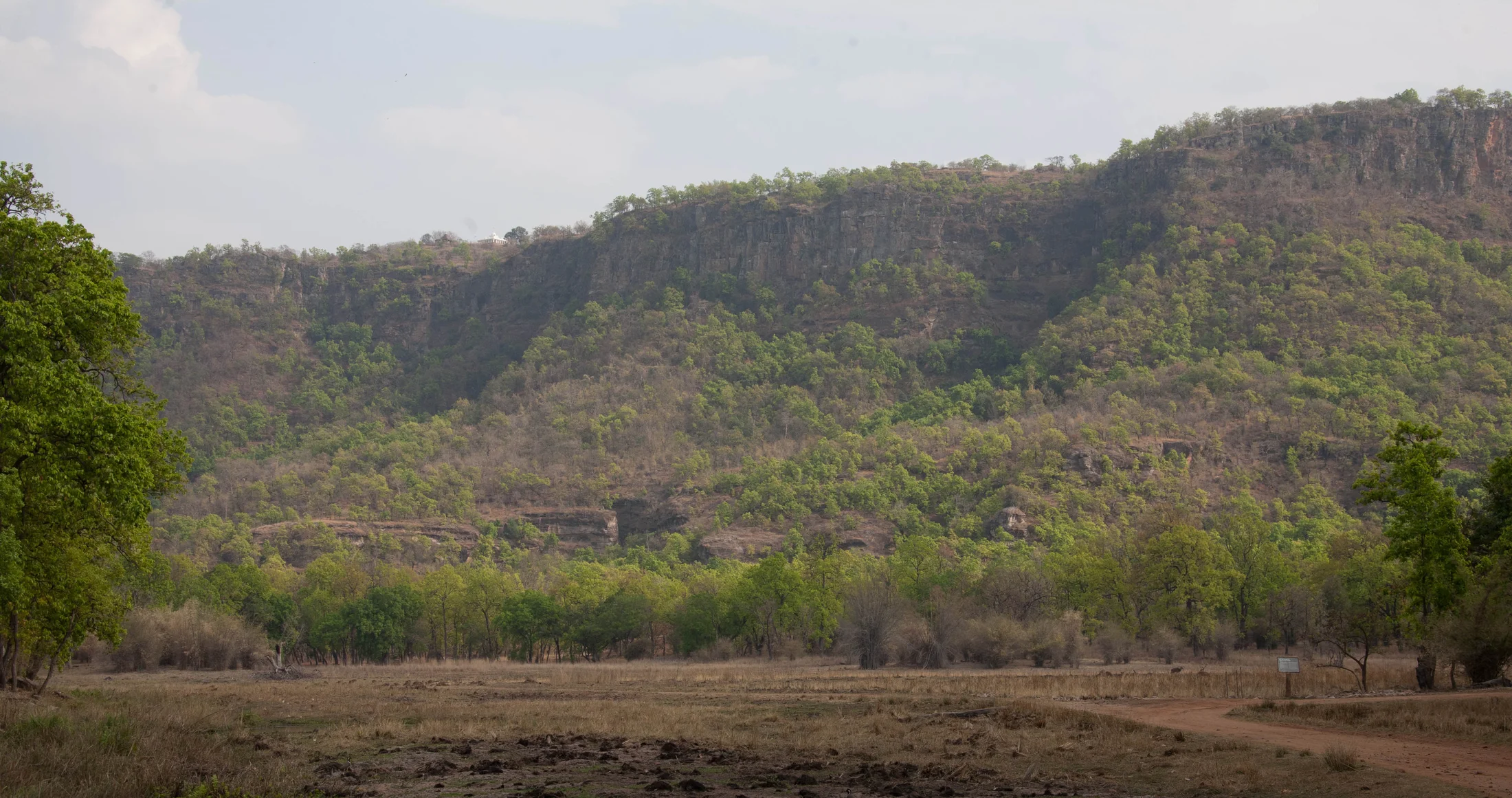
Bandhavgarh is commonly understood as “brother’s fort”. Local tradition connects its name with the story of Rama giving the fort to his brother Lakshmana.
The legend is part of the landscape’s cultural life. Alongside it lies a history recorded in caves, inscriptions, temples and sculptures.
Look beyond the sighting.There is a sense of place to discover.
A film from Bagh Tola
Let the forest
tell its story.
Take a little time to explore Bandhavgarh’s past through our film, before you encounter the landscape for yourself.
Watch on YouTubeEvidence in stone. A living legacy.
Layers
of time.
Ancient remains and modern conservation are chapters in the same landscape.
- 2nd–5th centuries CE
Earlier lives
Caves and Brahmi inscriptions documented by the Archaeological Survey of India offer evidence of early activity in the forest.
- 9th–11th centuries CE
Temples in the landscape
Temple remains from the Kalachuri period form another layer of Bandhavgarh’s archaeological heritage.
- The Rewa period
A royal reserve
The rulers of Rewa held the area as a private hunting reserve. Its relationship with wildlife would later change profoundly.
- 1968
A national park
An initial 105 square kilometres became a national park, with protection expanded in later years.
- 1993
A future for the tiger
Bandhavgarh joined the Project Tiger network, linking protection of the tiger with the habitat that sustains it.
Historical references: Archaeological Survey of India, 2022 · Bandhavgarh Tiger Reserve
The story continues
Old stone.
Wild lives.
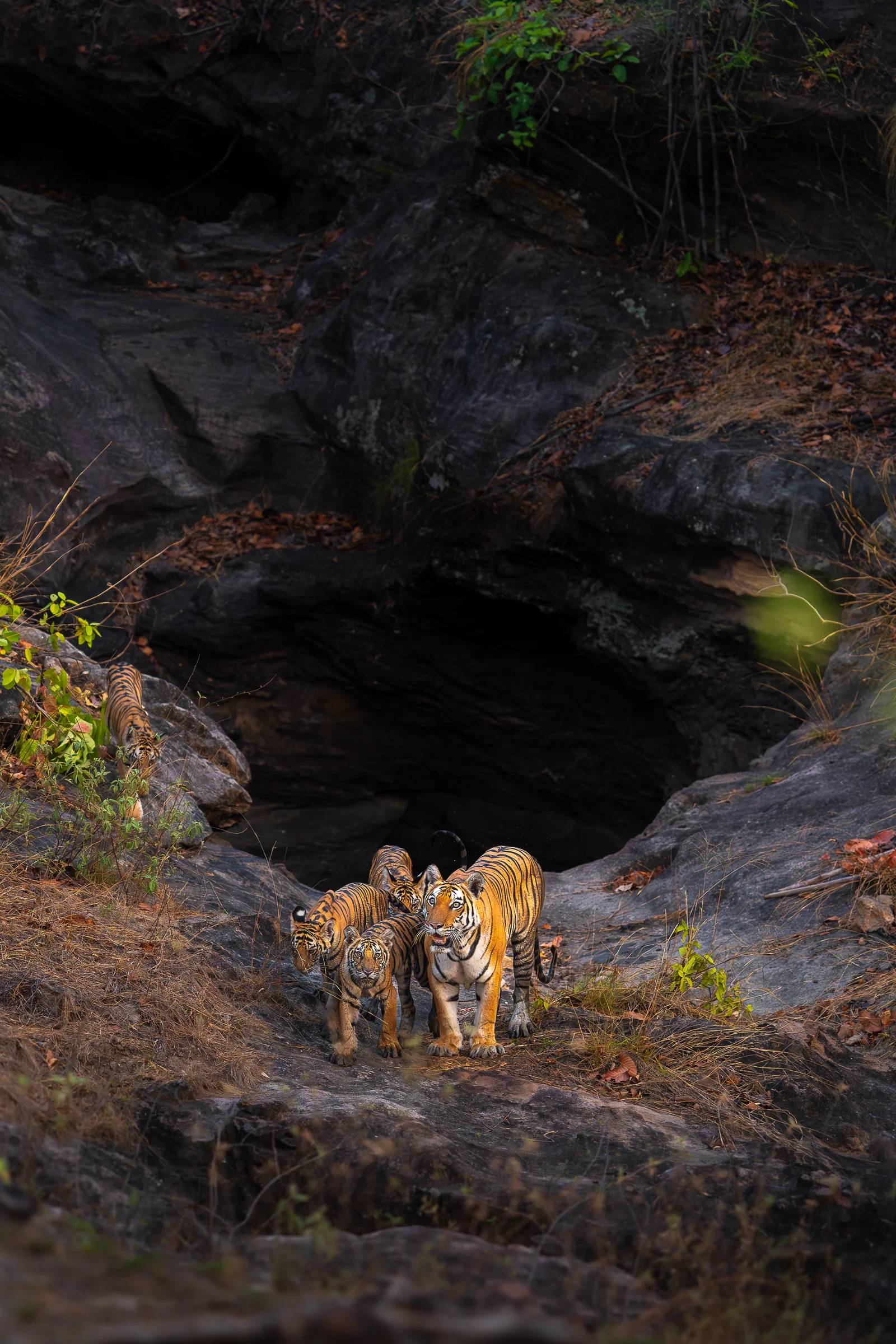
At Sita Mandap, a tigress and her cubs share the frame with the rock shelter. The past and the present belong to the same forest.
Explore the wildPlanning your visit
A little more
to know.
Historical sites are within a protected landscape. Ask us what is accessible for your dates; a safari permit does not automatically include a fort visit.
Talk to our teamWhat does Bandhavgarh mean?
The name is commonly interpreted as “brother’s fort”. Local tradition associates the fort with Rama and his brother Lakshmana. This is a cultural legend, distinct from the archaeological evidence for the landscape’s history.
When did Bandhavgarh become a national park?
Bandhavgarh was notified as a national park in 1968 and joined the Project Tiger network in 1993. Its protected area has changed over time; the original national park and the wider tiger reserve are not interchangeable boundaries.
Can we visit Bandhavgarh’s fort and archaeological sites?
Access to historical sites depends on current forest permissions, permitted routes and local conditions. Please ask the team about what is possible for your dates. A safari booking does not automatically include a fort or archaeological visit.