Sal & bamboo
Sal and mixed deciduous woodland, with stretches of bamboo, give the forest its changing textures: deep shade, filtered light and sudden openings.
 Enquire
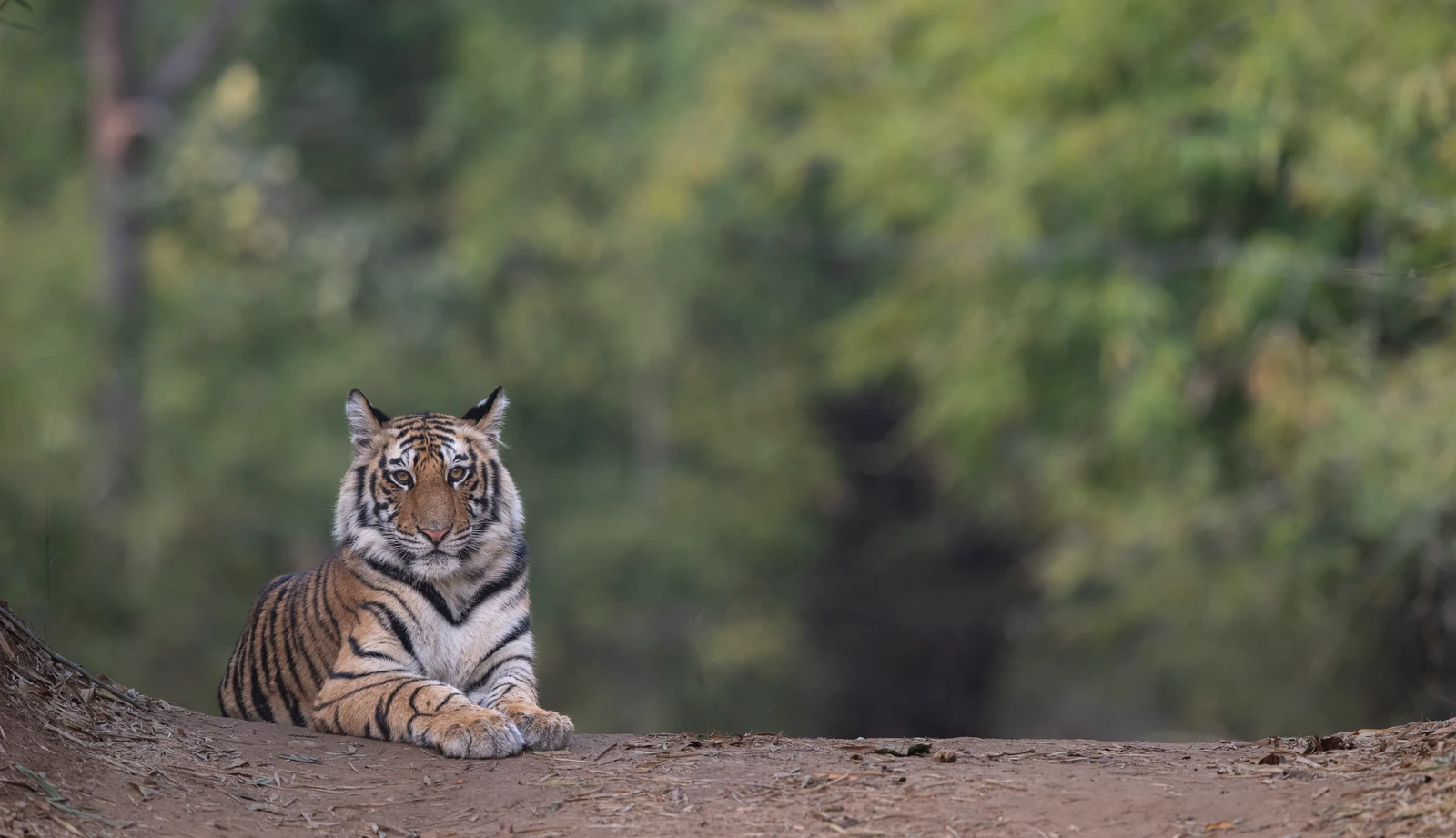
The wild · Bandhavgarh
A held breath. A meeting of eyes.
A moment that stays with you.
For the love of the wild
For tiger lovers and wildlife photographers, Bandhavgarh holds a powerful draw. The anticipation of a striped shape emerging from cover. The chance to watch, to understand, to make a photograph that carries something of the encounter home.
At Bagh Tola, we give those moments time. Our naturalists help you look beyond the first glimpse, towards behaviour, light and the landscape around the animal.
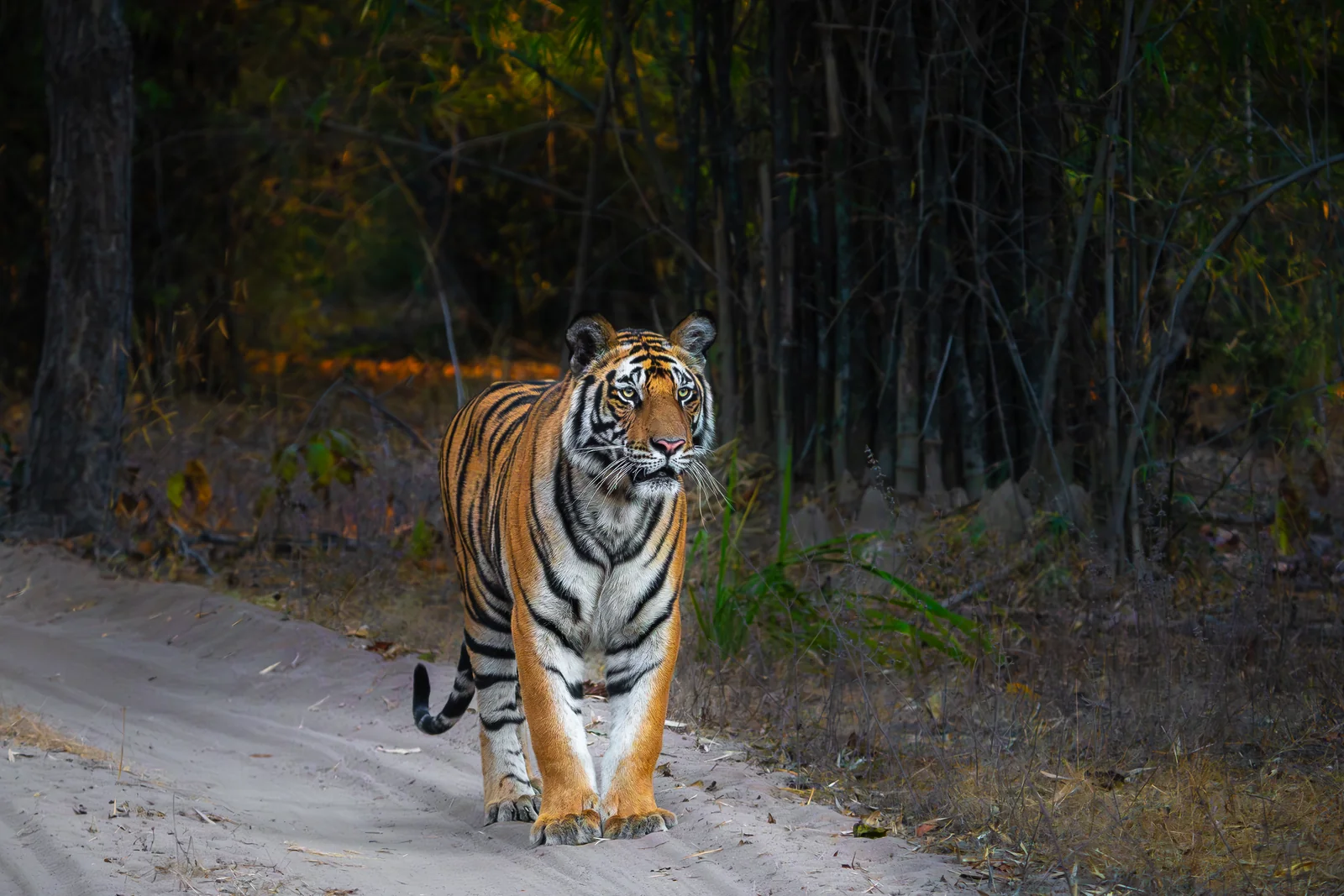
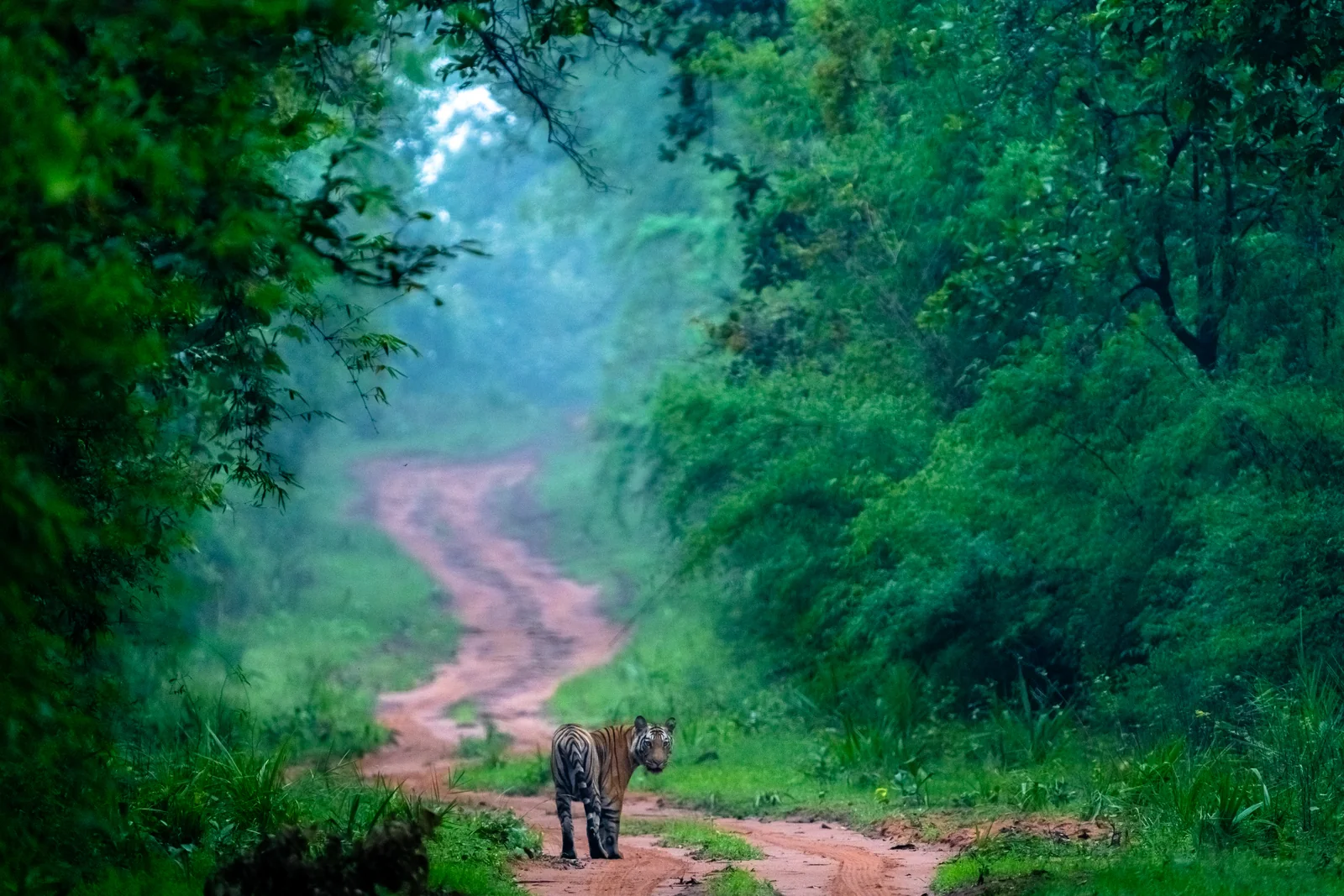
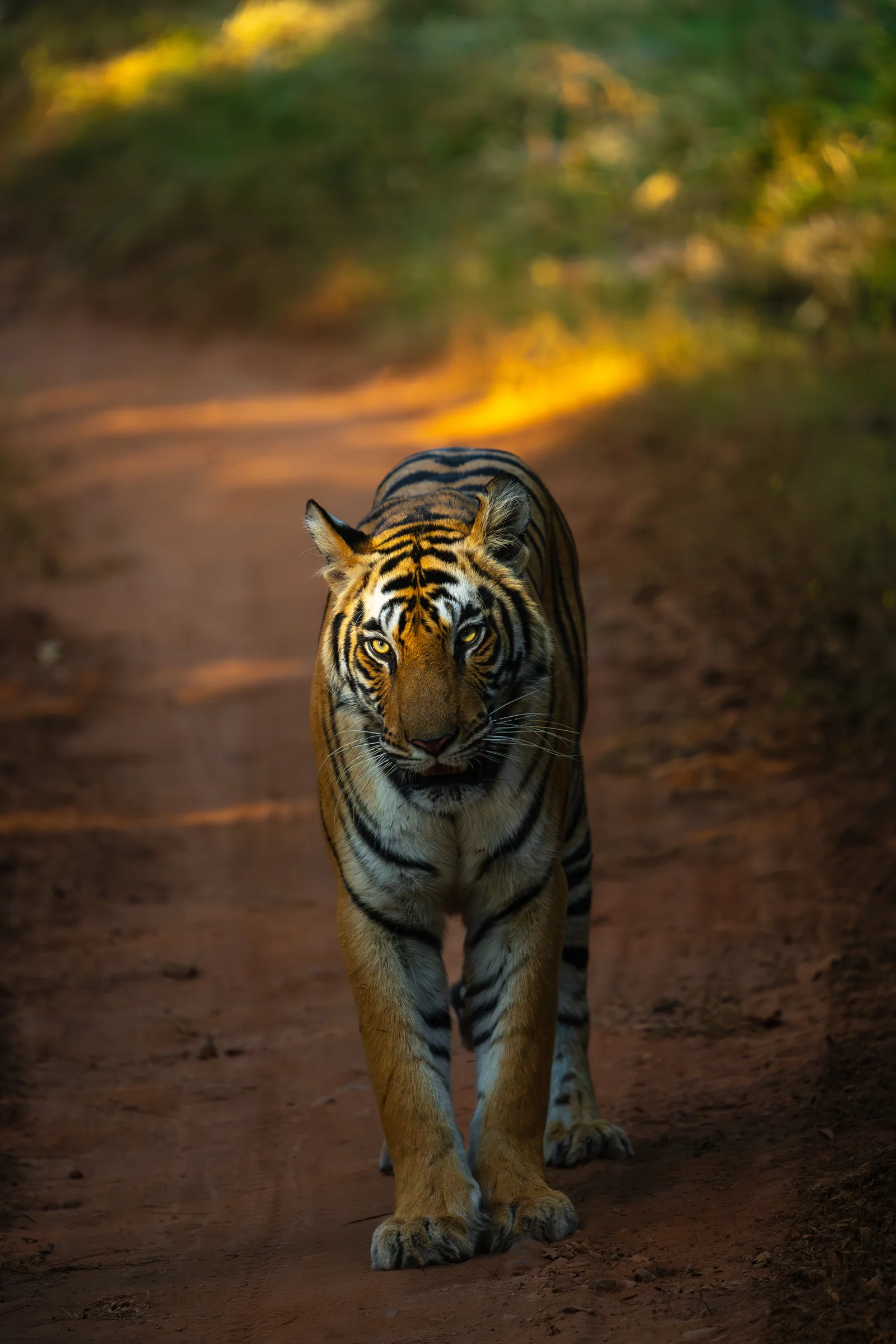
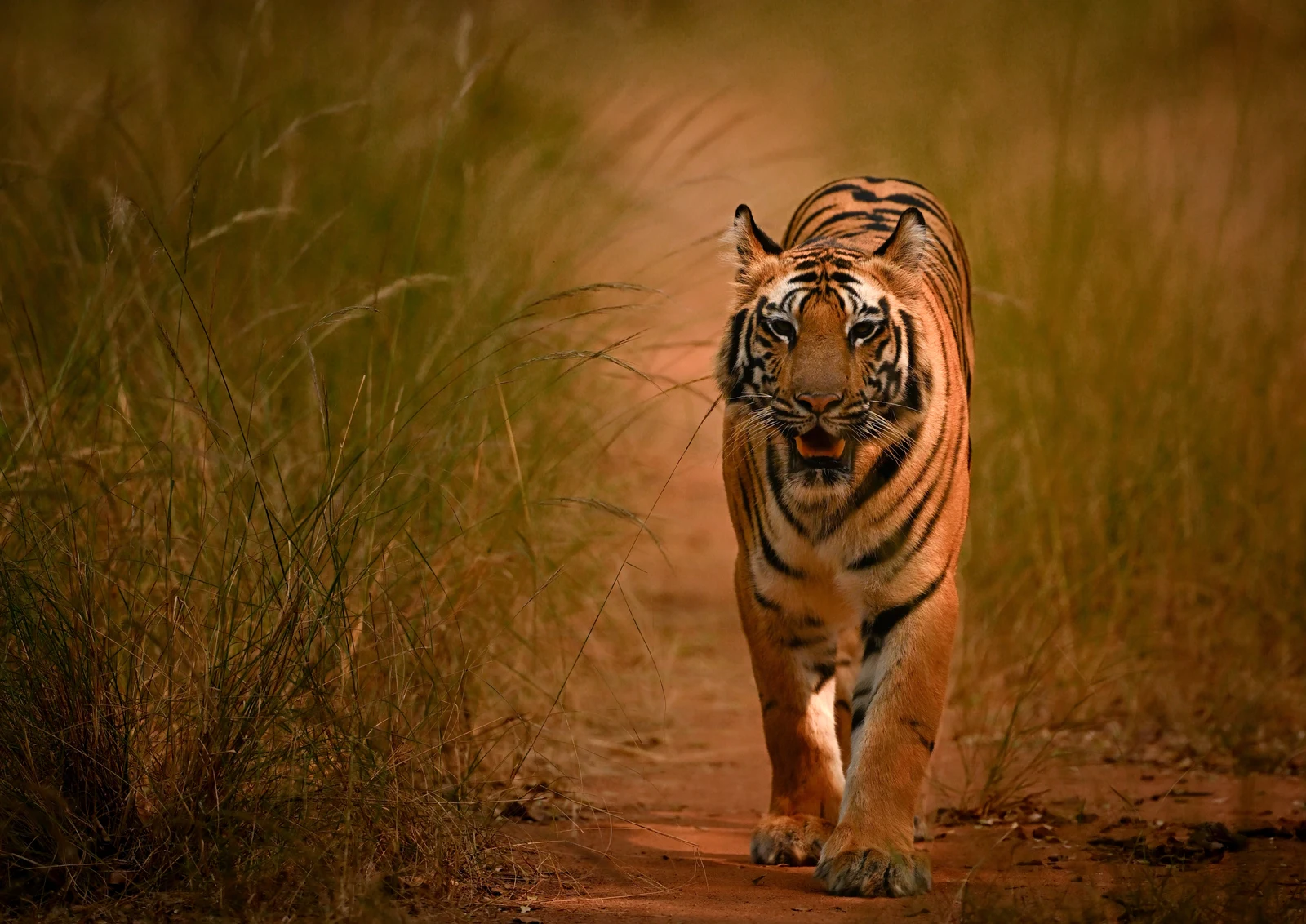
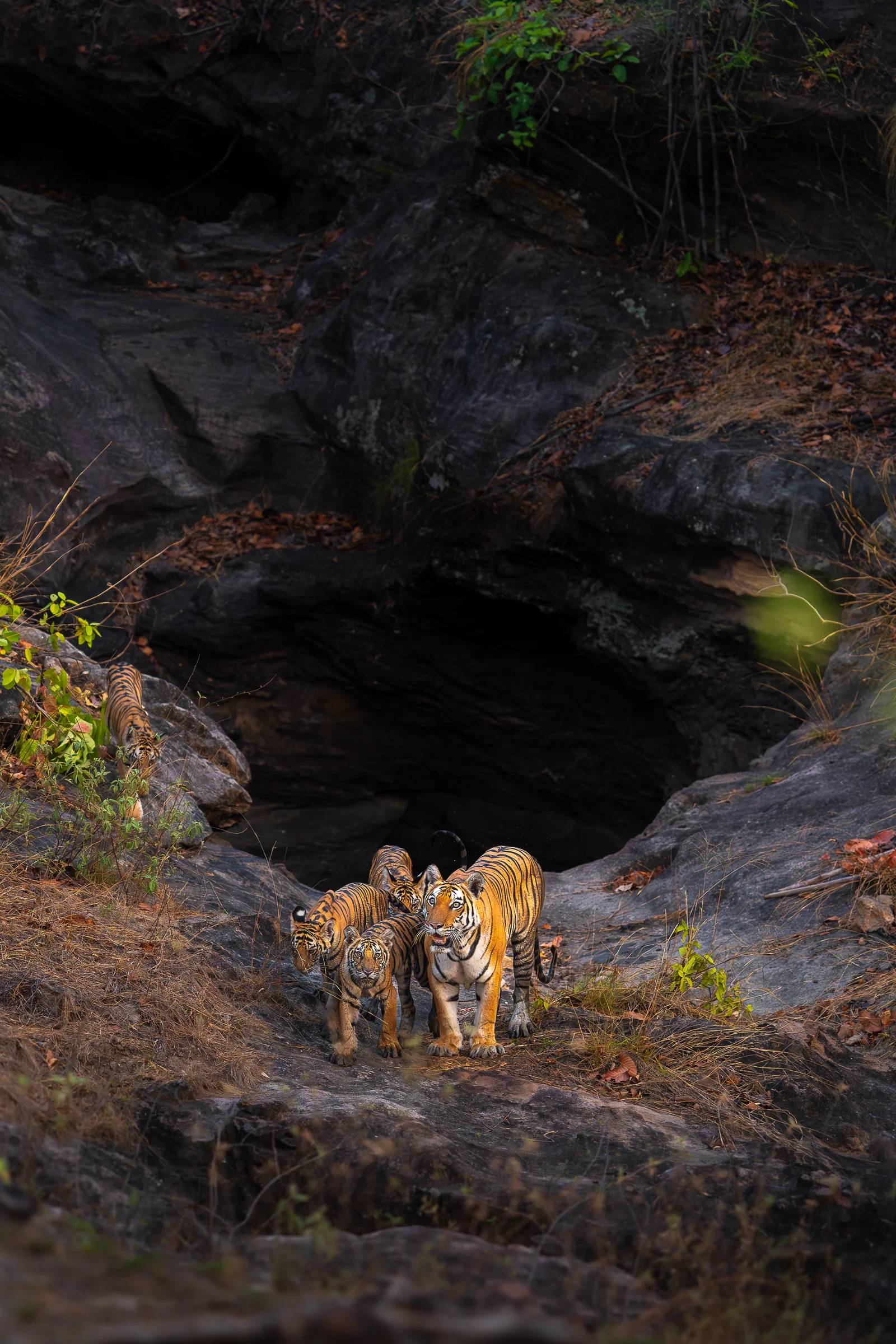
01 / The Bengal tiger
Every encounter, entirely its own.
Take a little time to look.
02 / The leopard
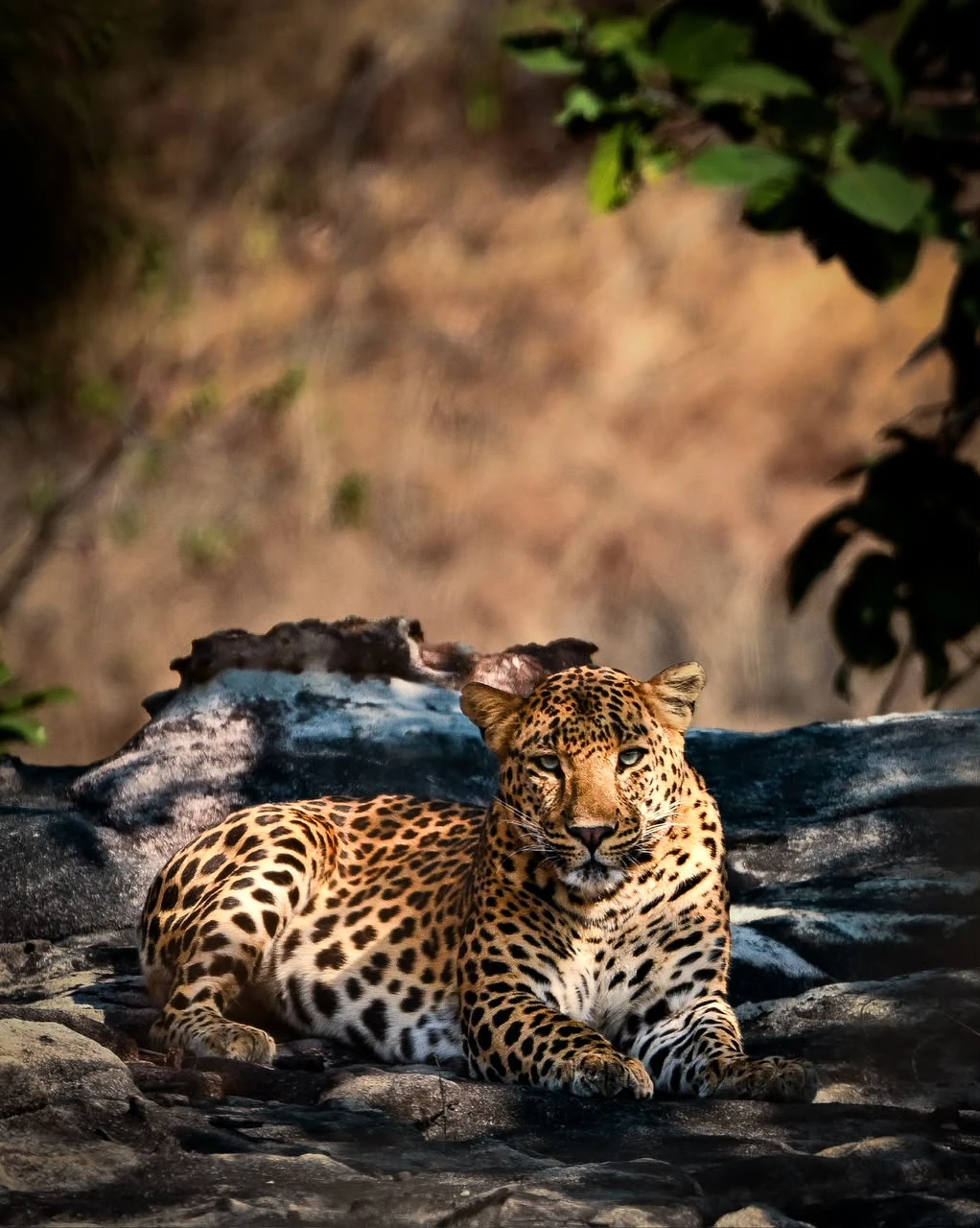
Leopards are part of Bandhavgarh’s remarkable diversity of big cats. Their presence gives us another reason to look carefully, remain patient and keep our attention on the whole forest.
Tell us if leopards are a particular interest. We will shape the conversation around your hopes and the conditions during your stay, while letting every sighting unfold on the animal’s terms.
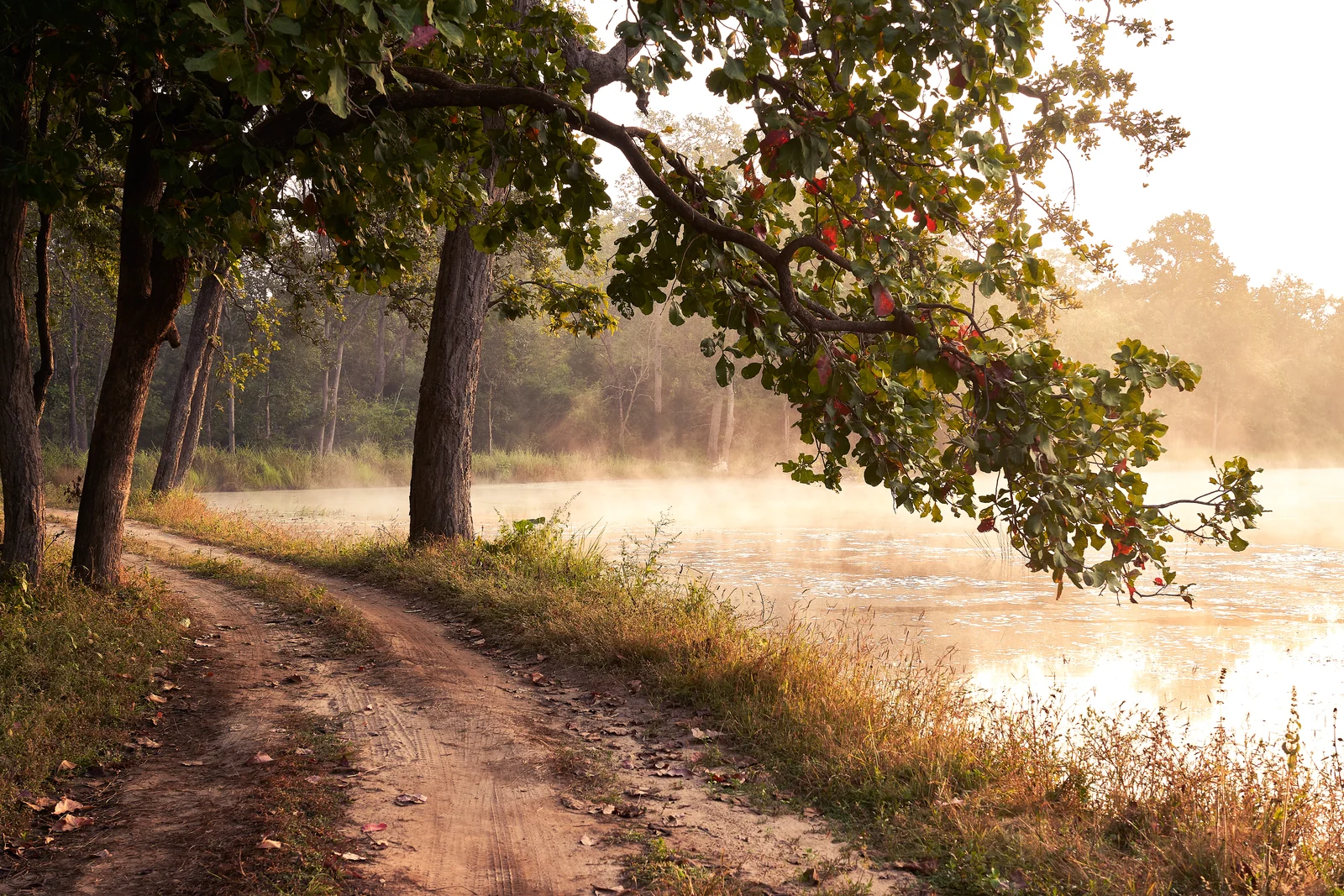
The landscape is part of the encounter
Sal and mixed deciduous woodland, with stretches of bamboo, give the forest its changing textures: deep shade, filtered light and sudden openings.
Grassy valleys, marshy pockets and water bodies create a different rhythm. Watch the edges, the reflections and the animals moving between cover and open ground.
Sharp ridges, narrow valleys and the flat-topped Bandhavgarh hill give this landscape its distinctive form. Rocky heights rise above a living mosaic of forest.
Beyond the big cats
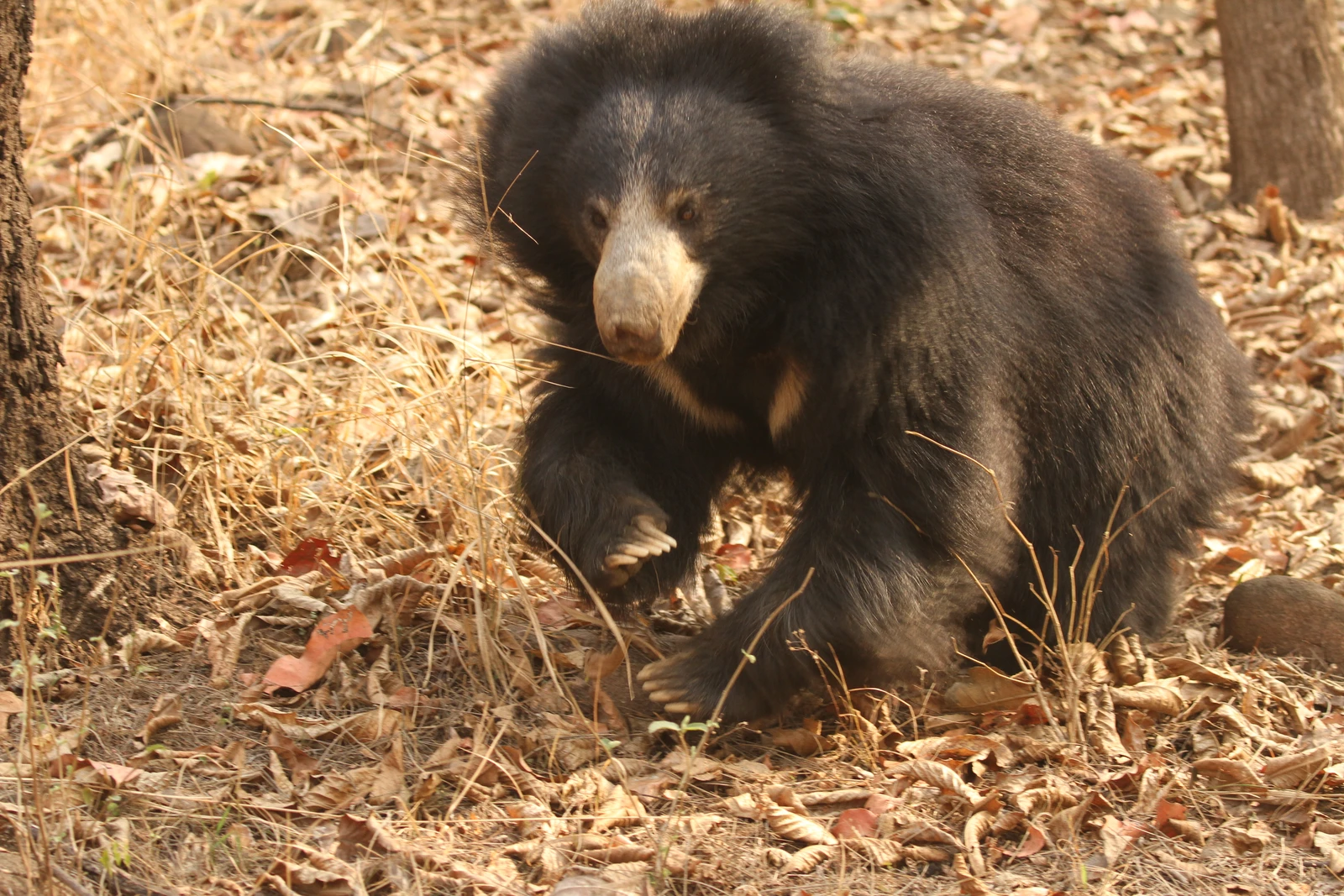
Another compelling presence in Bandhavgarh. Give a bear encounter time and space; watching its movements can be as absorbing as any big-cat sighting.
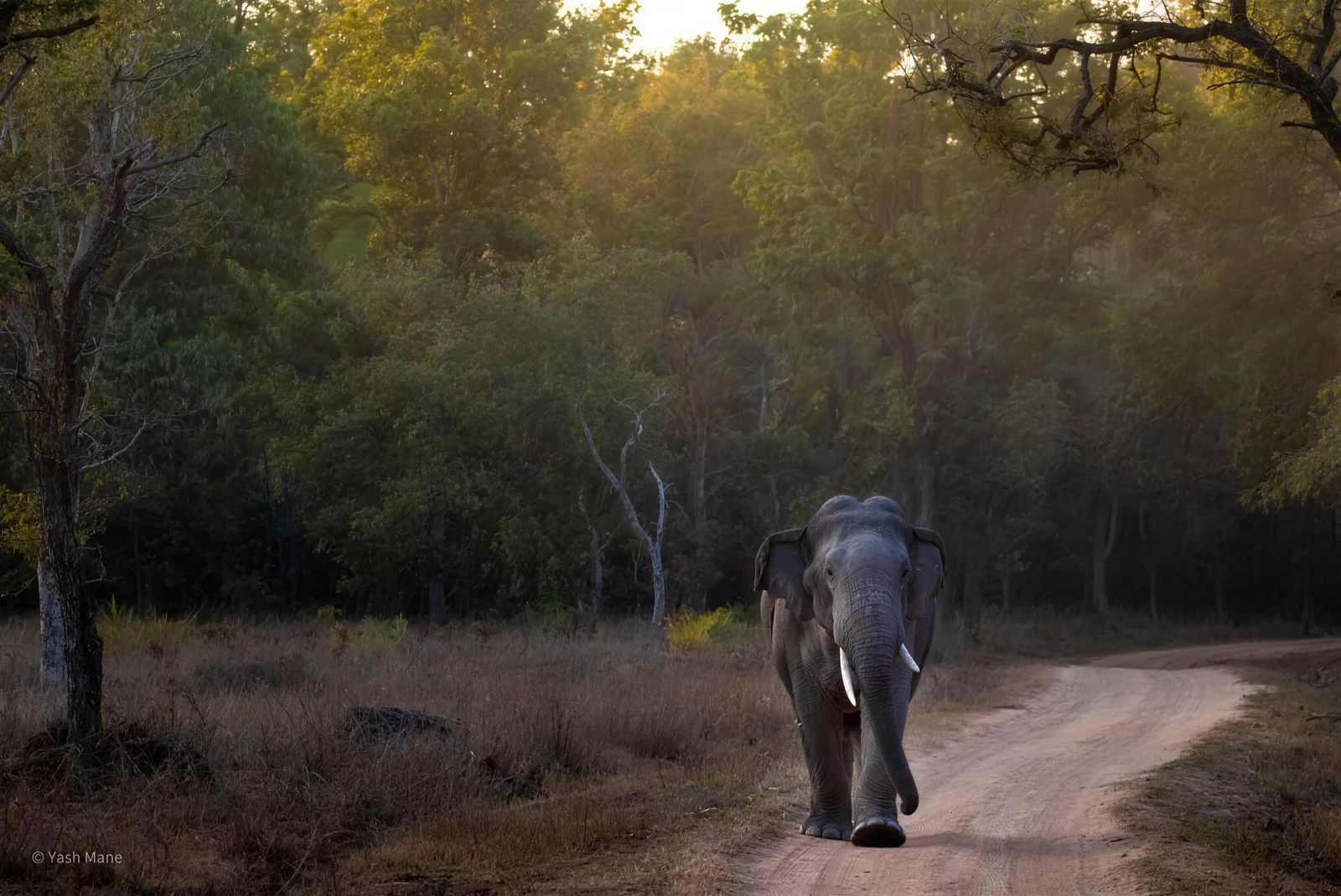
Wild elephants are part of the wider reserve’s wildlife. Their movements are unpredictable, and encounters depend on where the animals are and which routes are open.
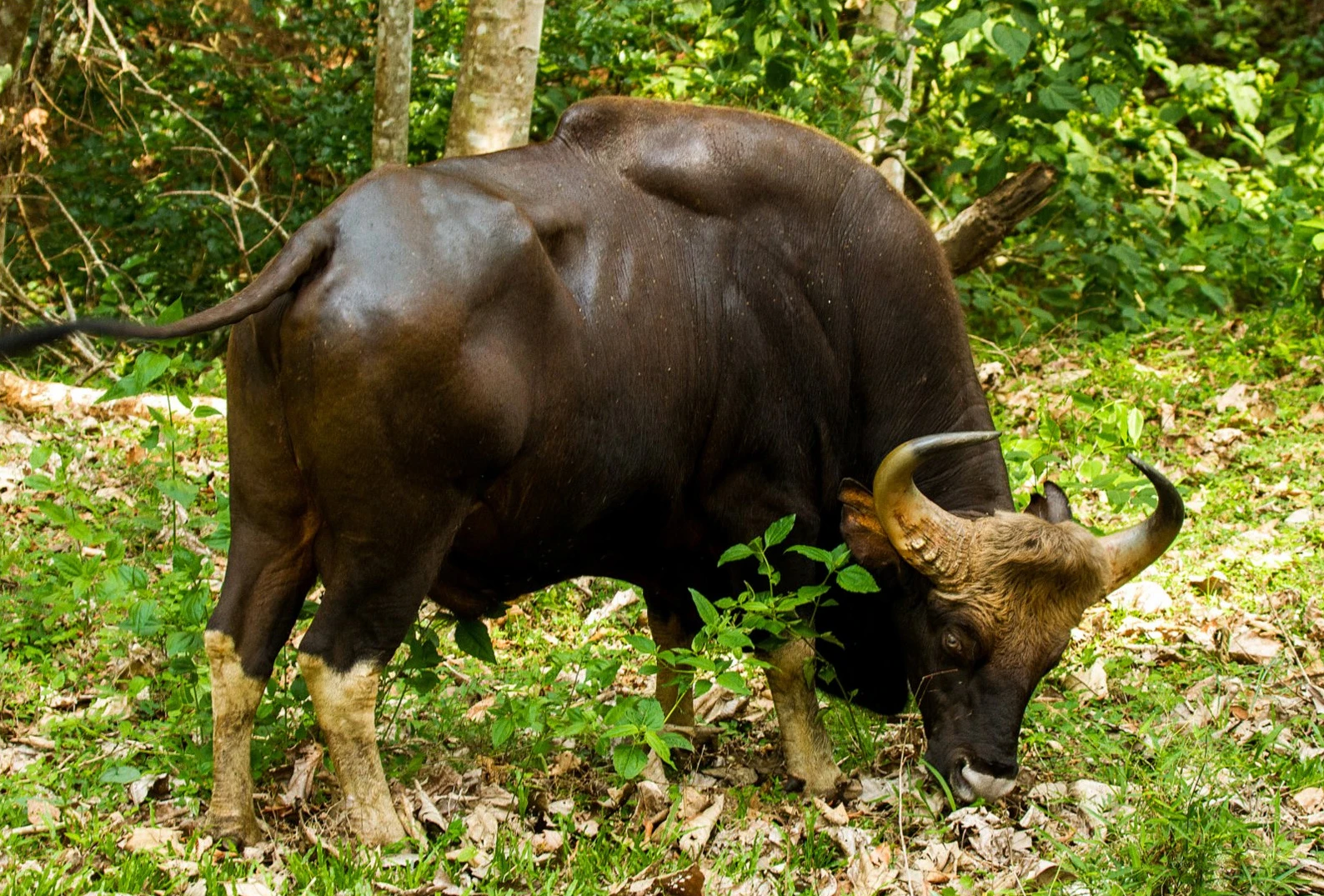
The powerful wild cattle commonly called Indian bison add another dimension to the forest. Gaur, chital and sambar are all part of Bandhavgarh’s mammal community.
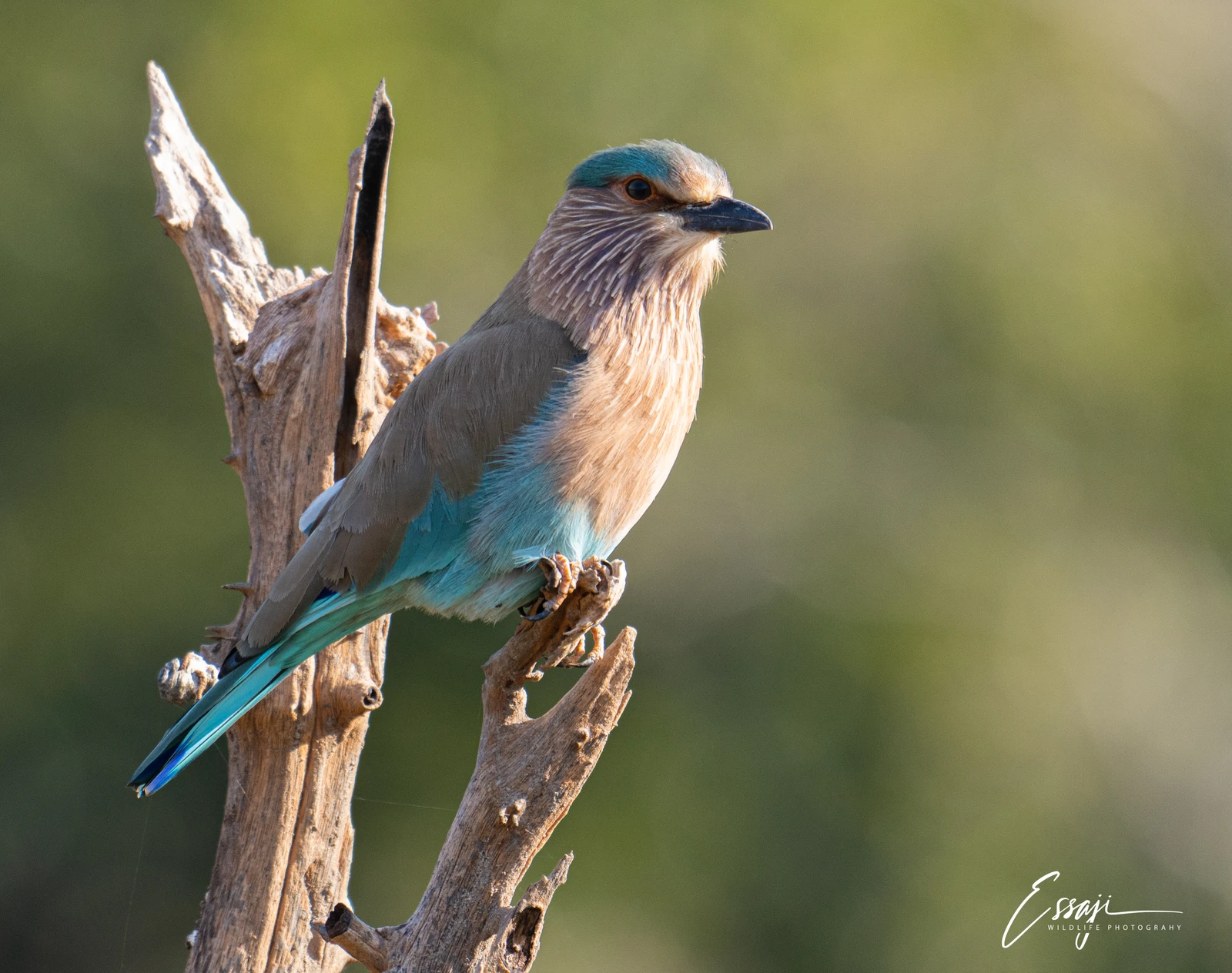
Bird calls, butterflies and the movement of langurs keep the forest alive between larger encounters. Binoculars and curiosity are as valuable as a long lens.
Stock photographs: Sloth bear — Davidvraju (CC BY-SA 4.0); Gaur — N. A. Naseer / www.nilgirimarten.com / naseerart@gmail.com (CC BY-SA 2.5 India). Resized and converted to WebP. These two images illustrate the species; their locations are not presented as Bandhavgarh.
For wildlife photographers
A memorable wildlife photograph can be a portrait, a gesture or an animal held within a much larger landscape. Give yourself time to see all three.
Share your photographic interests when you enquire: big cats, behaviour, birds or animals in their habitat. We can discuss safari planning and your priorities before you arrive.
Watch before you frame. Notice movement, light and what the animal is doing.
Leave room for the forest. A wider composition can tell as much as a close portrait.
Let wildlife lead. Keep a respectful distance, stay on permitted routes and follow your guide. Never disturb an animal for a photograph.
The Bagh Tola approach
We seek patient, intimate observation wherever conditions allow. Our guides help you read tracks, listen to alarm calls and notice the smaller stories around you. Tigers and leopards move freely; sightings are never guaranteed. A quieter drive can still reveal a great deal.
Explore our safarisA little more to know
Bandhavgarh supports leopards, sloth bears, deer, birds and many smaller animals. What you encounter varies with habitat, season and chance. Our naturalists encourage you to notice the whole forest, rather than judge a drive by a single sighting.
Yes. The trees, open areas and water around camp offer opportunities for birdwatching between drives. Ask the naturalists what they have been observing during your visit, and bring binoculars if you have them.
A naturalist helps interpret the landscape: animal tracks, alarm calls, birds, plants and behaviour. This gives context to an encounter and makes a quiet stretch of forest rewarding too.
You can share your interests, but individual animals cannot be booked or their movements predicted. Safari routes, permits and forest rules govern each drive; sightings are never guaranteed.
An invitation to slow down
Tell us what you hope to see and photograph. We will help you plan time in the forest, with room for the unexpected.
Plan your stay
